Domain locations-berlin.de kaufen?
Wir ziehen mit dem Projekt
locations-berlin.de um.
Sind Sie am Kauf der Domain
locations-berlin.de interessiert?
domain@kv-gmbh.de · 0541-91531010
Domain locations-berlin.de kaufen?
Cake or fake?
It depends on the context. If you are asking about a choice between eating cake or something that is not real, then cake would be the preferred option. However, if you are asking about the authenticity of something, then fake would imply that it is not genuine or real. **
Travelling or traveling?
Both "travelling" and "traveling" are correct spellings of the word, but they are used in different regions. "Travelling" is more commonly used in British English, while "traveling" is more commonly used in American English. **


Ähnliche Suchbegriffe für DENKRIESEN---Top-or
Top-Angebote
Produkte zum Begriff DENKRIESEN---Top-or:

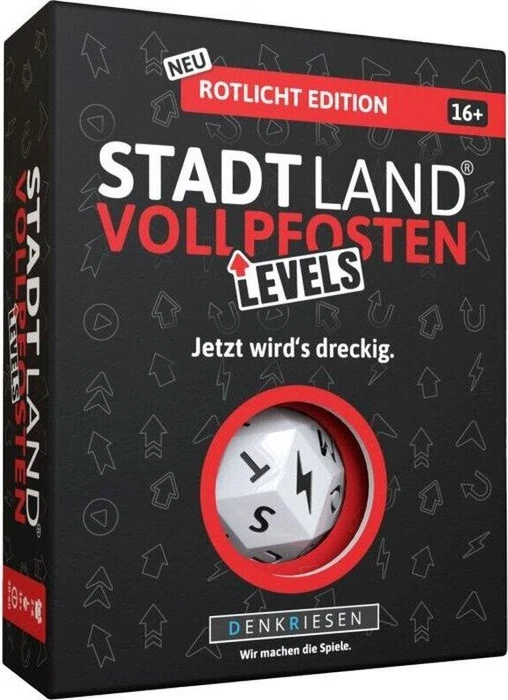
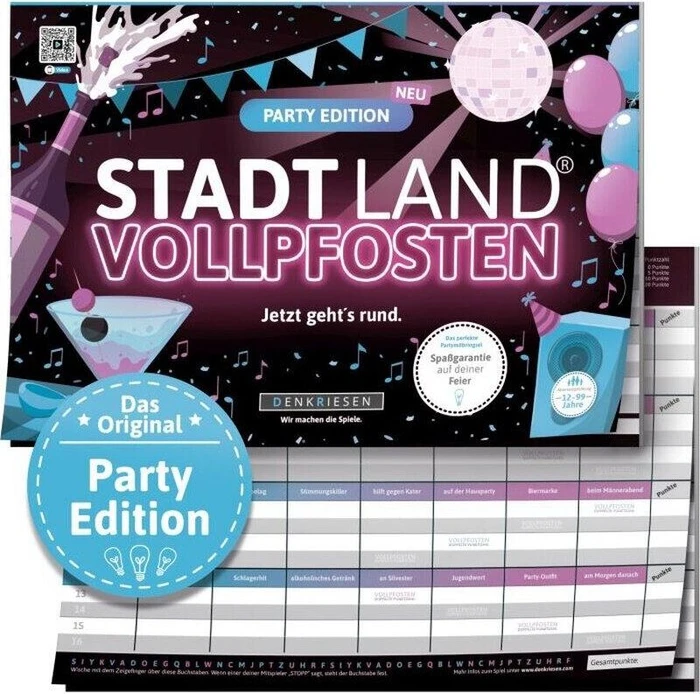
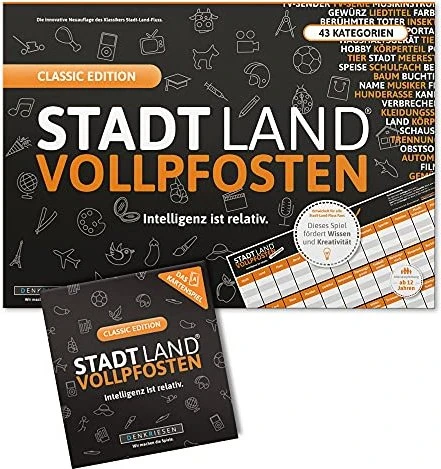
-
Will or gonna?
"Will" and "gonna" are both used to express future actions, but there are slight differences in their usage. "Will" is more formal and is used in more formal situations, while "gonna" is a more informal and colloquial way of expressing future actions. **
-
Do or does?
The choice between "do" and "does" depends on the subject of the sentence. "Do" is used with plural subjects and "does" is used with singular subjects. For example, "They do their homework" and "She does her homework." **
-
Anyway or anyways?
Both "anyway" and "anyways" are commonly used in spoken English to mean the same thing. However, "anyway" is more widely accepted and considered to be the standard form. "Anyways" is often considered to be more informal or colloquial. **
-
Doesn't or don't?
The correct form to use depends on the subject of the sentence. "Doesn't" is used with singular subjects, while "don't" is used with plural subjects. For example, "He doesn't like coffee" (singular subject) and "They don't like coffee" (plural subject). **


Gucci or Prada?
That is a subjective question and it depends on personal preference. Both Gucci and Prada are luxury fashion brands known for their high-quality products and unique designs. It ultimately comes down to individual style and taste. **
Do or make?
The choice between "do" and "make" depends on the context and the specific action being referred to. "Do" is generally used for activities or actions that involve performing or carrying out something, while "make" is used for creating or producing something tangible. For example, you would say "do your homework" but "make a cake." **
Top-Angebote
Produkte zum Begriff DENKRIESEN---Top-or:
-
DENKRIESEN Top or Not!? ? Dabei sein ist alles - deutsch 302254Bist du immer top dabei? In diesem wilden Partyspiel heißt es: Diskutieren, überzeugen, tricksen! Lustige Themen sorgen für Gesprächsstoff und Lacher. Nur ... 1 x Top or Not!? ? Dabei sein ist alles - deutsch Sprache: deutsche Version Anl13,95 €*Versand: 4,90 €Sichere Weiterleitung zum Anbieter
-
Cake or fake?
It depends on the context. If you are asking about a choice between eating cake or something that is not real, then cake would be the preferred option. However, if you are asking about the authenticity of something, then fake would imply that it is not genuine or real. **
-
Travelling or traveling?
Both "travelling" and "traveling" are correct spellings of the word, but they are used in different regions. "Travelling" is more commonly used in British English, while "traveling" is more commonly used in American English. **
-
Will or gonna?
"Will" and "gonna" are both used to express future actions, but there are slight differences in their usage. "Will" is more formal and is used in more formal situations, while "gonna" is a more informal and colloquial way of expressing future actions. **
-
Do or does?
The choice between "do" and "does" depends on the subject of the sentence. "Do" is used with plural subjects and "does" is used with singular subjects. For example, "They do their homework" and "She does her homework." **
Ähnliche Suchbegriffe für DENKRIESEN---Top-or
-
Denkriesen - STADT LAND VOLLPFOSTEN® - JOB EDITION"Kaffeepause."Mit der „STADT LAND VOLLPFOSTEN® – JOB EDITION“ von DENKRIESEN kommt Abwechslung in den Arbeitsalltag und die Kaffeepause. Dieses unterhaltsame Wortspiel, geeignet ab 14 Jahren, dreht sich ganz um die Themen Arbeit und Beruf und sorgt für lustige Runden unter Kollegen. DIN-A4-Block mit 50 Blatt für langanhaltenden Spielspaß 26 kreative und witzige Kategorien rund um die Arbeitswelt innovative Buchstabenleiste zur fairen Ermittlung des Anfangsbuchstabens ideal für die Mittagspause, als Geschenk für Kollegen oder für Spielabende Die „JOB EDITION“ bringt mit ihren thematisch passenden Kategorien frischen Wind in das bekannte Spielprinzip. Gesucht werden Begriffe zu Feldern wie „Beruf“, „anderes Wort für Geld“, „bekannte Firma“ oder „geht gar nicht im Meeting“. Jeder Spieler erhält ein Blatt des Blocks und schon kann es losgehen. Nachdem ein Buchstabe über die Leiste am Blattrand ermittelt wurde, versuchen alle gleichzeitig, die acht Spalten der Runde auszufüllen. Besondere VOLLPFOSTEN-Felder ermöglichen es, die doppelte Punktzahl zu erhalten und dem Sieg ein Stück näherzukommen. Der Spielblock ist kantinentauglich und eine tolle Möglichkeit, um gemeinsam mit den Kollegen eine unvergessliche Pause zu verbringen.11,99 €*Versand: 3,95 €Sichere Weiterleitung zum Anbieter
-
DENKRIESEN STADT LAND VOLLPFOSTEN ? Biergarten Edition - A4 - deutsch 302249Die bayrische Edition des Kultspiels STADT LAND VOLLPFOSTEN rund ums Thema Feiern und Anstoßen. Dieser Spielblock mit 26 kreativen und lustigen Kategorien ist ... 1 x STADT LAND VOLLPFOSTEN ? Biergarten Edition - A4 - deutsch Sprache: deutsche12,52 €*Versand: 4,90 €Sichere Weiterleitung zum Anbieter
-
Anyway or anyways?
Both "anyway" and "anyways" are commonly used in spoken English to mean the same thing. However, "anyway" is more widely accepted and considered to be the standard form. "Anyways" is often considered to be more informal or colloquial. **
-
Doesn't or don't?
The correct form to use depends on the subject of the sentence. "Doesn't" is used with singular subjects, while "don't" is used with plural subjects. For example, "He doesn't like coffee" (singular subject) and "They don't like coffee" (plural subject). **
-
Gucci or Prada?
That is a subjective question and it depends on personal preference. Both Gucci and Prada are luxury fashion brands known for their high-quality products and unique designs. It ultimately comes down to individual style and taste. **
-
Do or make?
The choice between "do" and "make" depends on the context and the specific action being referred to. "Do" is generally used for activities or actions that involve performing or carrying out something, while "make" is used for creating or producing something tangible. For example, you would say "do your homework" but "make a cake." **
* Alle Preise verstehen sich inklusive der gesetzlichen Mehrwertsteuer und ggf. zuzüglich Versandkosten. Die Angebotsinformationen basieren auf den Angaben des jeweiligen Shops und werden über automatisierte Prozesse aktualisiert. Eine Aktualisierung in Echtzeit findet nicht statt, so dass es im Einzelfall zu Abweichungen kommen kann. ** Hinweis: Teile dieses Inhalts wurden von KI erstellt.